23 October 2026
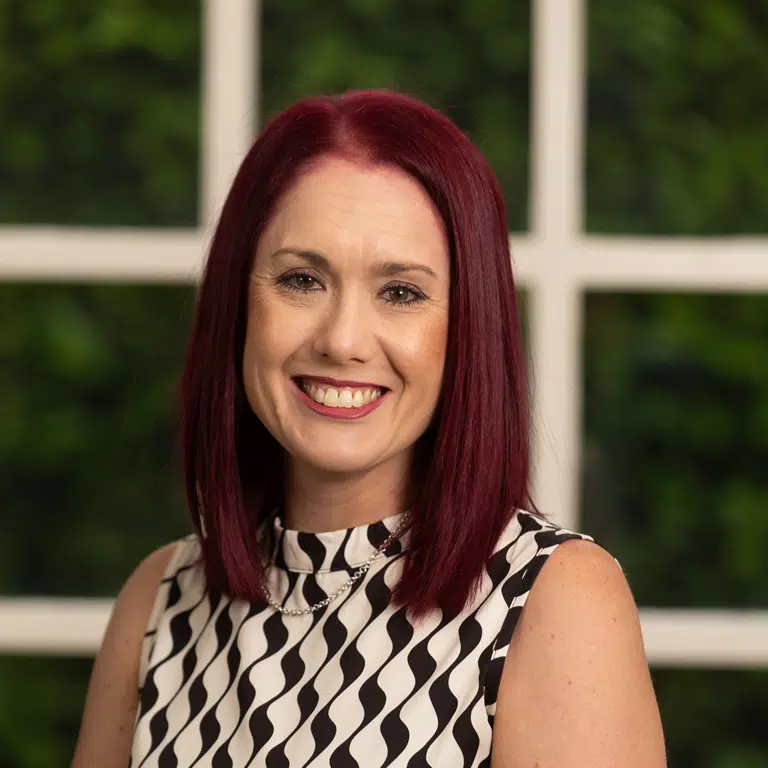
By Phillipa Symington, Partner, Audit & Assurance, Clive Owen LLP
For many food and drink manufacturers, the last few years have felt like a constant balancing act. Rising labour costs, energy prices, raw material inflation and ongoing supply chain pressures continue to put pressure on margins, while customers understandably remain focused on value, quality and service.
The reality is that there is often a limit to how much of those increased costs can be passed on through higher prices. As a result, many businesses are facing a different challenge: ensuring that growth translates into sustainable profitability.
According to the latest Food & Drink Federation State of Industry report, production costs for UK food and drink manufacturers increased by an average of 3.8% over the previous 12 months, while business confidence remained negative for a ninth consecutive quarter.
Against that backdrop, having a clear understanding of where profits are being generated, where cash is being tied up, and how future challenges could affect your business has never been more important.
Start by understanding where you’re making money
One of the biggest risks for growing manufacturers is assuming that increased sales automatically lead to increased profits.
In reality, businesses can be busier than ever while seeing margins steadily eroded by rising costs, pricing pressures or operational inefficiencies. Revenue growth is important, but profitability is what ultimately drives long-term success.
A product may be selling well, but that does not necessarily mean it is delivering the returns you expect. Once you factor in ingredients, packaging, labour, energy, storage, transport and other overheads, the picture can look very different.
The same applies to customers. A large contract may appear attractive because of the turnover it generates, but if it requires significant discounts, additional service requirements or extended payment terms, the overall return may be lower than anticipated.
This is where timely and reliable management information can make a real difference.
Rather than focusing solely on turnover and year-end profit figures, businesses should be able to understand the performance of individual products, customers and operational areas throughout the year.
That visibility helps management teams make informed decisions about pricing, product mix, customer relationships and operational efficiency, allowing them to focus their efforts where they will have the greatest impact.
Keep a close eye on cash
Profit and cash are not the same thing.
This is particularly true in manufacturing, where significant levels of working capital can be tied up in raw materials, work in progress and finished goods.
A business can appear profitable on paper and still experience cash flow pressures because customers are taking longer to pay, stock levels have increased, or investment has been made in equipment and infrastructure.
A regular cash flow forecast can help provide greater visibility and control.
We often find that manufacturers benefit from looking further ahead rather than relying solely on today’s bank balance to understand tomorrow’s position. A rolling cash flow forecast can highlight potential funding pressures in advance and allow management to take action before they become critical.
That action might include reviewing stock levels, renegotiating payment terms, securing funding, improving debtor collections or adjusting the timing of planned investment.
The earlier a potential challenge is identified, the more options are available to address it.
Don’t wait until your year-end accounts
In a fast-moving manufacturing environment, waiting until the year-end to understand performance is a bit like driving while only looking in the rear-view mirror. By the time an issue becomes visible, the opportunity to address it may already have passed.
Monthly management accounts provide far more value when it comes to decision-making.
They enable businesses to identify trends, understand changes in profitability and respond quickly when circumstances change.
For a food or drink manufacturer, this might mean recognising that increases in ingredient costs are beginning to affect margins, identifying inefficiencies in production processes, or spotting changes in customer profitability before they become a larger issue.
Good management reporting should do more than tell you what has happened. It should help you understand why it has happened and what actions may be required.
Plan for different scenarios
No business can predict the future with complete certainty.
Costs may continue to rise, customer demand may fluctuate, market conditions may change, or a key customer could alter its purchasing patterns.
While these events cannot always be controlled, businesses can prepare for them.
Scenario planning allows management teams to assess the potential impact of different outcomes before they occur.
For example:
- What would happen if a key raw material increased in cost by 10%?
- How would the business cope if its largest customer reduced demand?
- What would be the impact of a 5% price increase?
- Could the business support a significant capital investment?
- How would additional borrowing affect cash flow?
The goal is not to predict exactly what will happen. The objective is to understand the potential consequences of different scenarios so that decisions can be made with greater confidence.
Be careful about cutting costs
When margins come under pressure, it is natural to look for ways to reduce costs.
Often there are genuine efficiencies that can be achieved. However, the focus should be on improving profitability rather than simply reducing expenditure.
Cutting investment in machinery, technology, maintenance or people may improve short-term financial results but could create operational challenges and higher costs in the future.
Instead, businesses should consider the return they receive from their spending.
For example, an investment in new equipment may require significant upfront funding, but if it improves productivity, reduces waste, lowers energy consumption or increases capacity, it could deliver substantial long-term benefits.
The key is to understand the numbers and assess the commercial impact before making significant decisions.
How can an accountant help?
The best advisers do far more than prepare accounts and ensure compliance requirements are met.
They help business owners understand what their financial information is telling them and use those insights to make better decisions.
That could involve:
- Analysing profitability by product or customer
- Improving management reporting
- Preparing cash flow forecasts
- Supporting funding discussions
- Evaluating investment opportunities
- Modelling different business scenarios
- Identifying operational and financial risks
Often, the greatest value comes from having an experienced sounding board who can challenge assumptions, provide an independent perspective and help management teams focus on the areas that will have the greatest impact on performance.
Sometimes the most important questions are the simplest:
- Are we charging enough?
- Which customers are genuinely profitable?
- Where is cash being tied up?
- What would happen if costs increased further?
- Can we afford our planned investments?
- Where do we want the business to be in three to five years?
The answers to those questions often provide far greater insight than simply comparing this year’s profit to last year’s.
Protecting margins is about making better decisions
There is no quick fix for margin pressure. Costs will continue to fluctuate, markets will remain competitive and customer expectations will continue to evolve.
The businesses that tend to perform best are those that understand their numbers, monitor performance regularly and make informed decisions before issues become problems.
Profitability is rarely improved through one major change. More often, it comes from a series of small, informed decisions that strengthen both margins and long-term resilience.
If you run a food or drink manufacturing business and would like a clearer understanding of your profitability, cash flow or future growth plans, our manufacturing specialists would be happy to have a conversation. We can help you turn financial information into practical insights that support better business decisions and sustainable growth.